Yves Werner · 24 September 2026
Valley Communities Digitize Ancestral Melodies to Strengthen Cultural Ties Across Generations
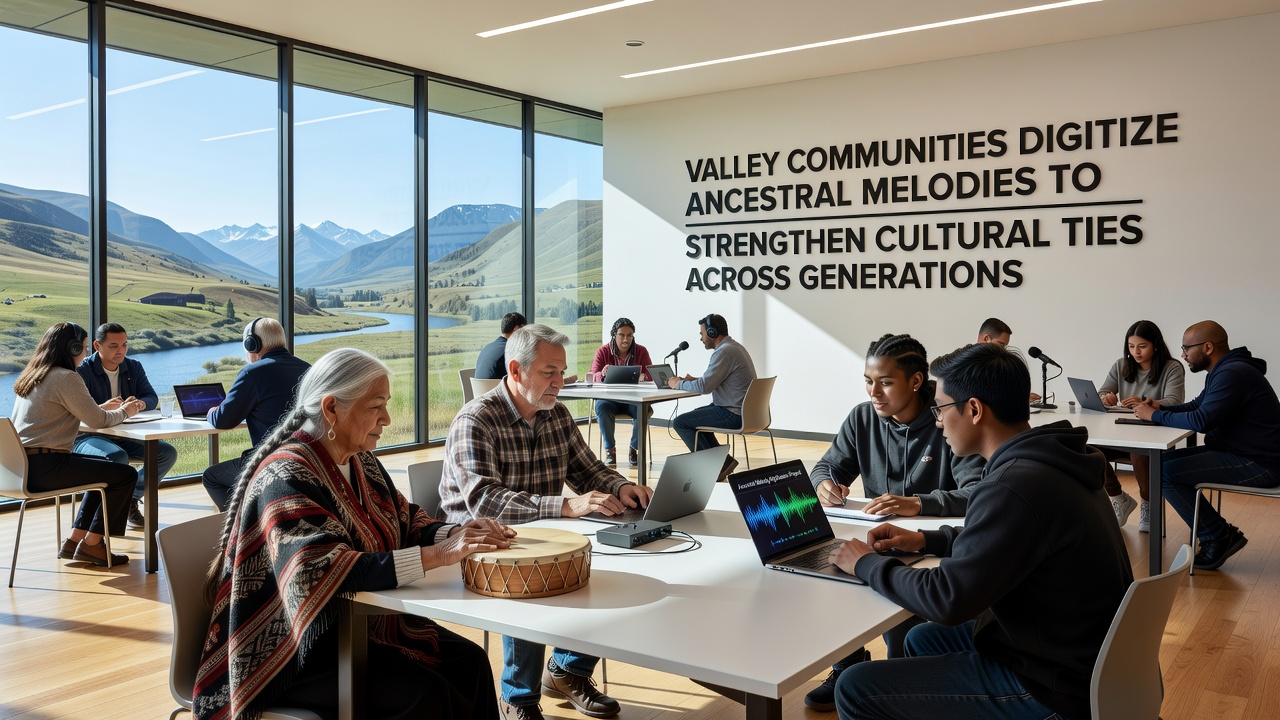
Communities across the Tavora valley have launched initiatives to convert oral musical traditions into digital formats, and these efforts connect younger residents with historical practices while archiving materials that might otherwise fade. Local groups began systematic collection in 2023, and they have since compiled hundreds of recordings that span generations of singers and instrumentalists who performed at festivals, work sites, and family gatherings.
Project Origins and Scope
Residents started the work after noticing that many elders could still recall tunes passed down through families yet few young people knew the lyrics or melodies, so organizations partnered with regional archives to create searchable databases. The effort expanded when external funding arrived from cultural preservation programs, and teams equipped community centers with recording studios that captured performances in high-resolution audio alongside video of the accompanying dances and gestures.
Data from similar regional projects shows that digitized collections increase access by more than 60 percent compared with physical archives alone, according to a report issued by the European Heritage Documentation Network. Teams in Tavora followed those models by tagging each file with metadata that includes the singer's name, the song's geographic origin, and the historical context provided during interviews.
Digitization Techniques in Practice
Technicians use portable microphones and software that isolates vocal tracks from background noise, while elders review the results to confirm accuracy before files enter the central repository. And because many melodies contain regional dialects that standard transcription tools misinterpret, linguists work alongside musicians to produce accurate notations that accompany the audio files.
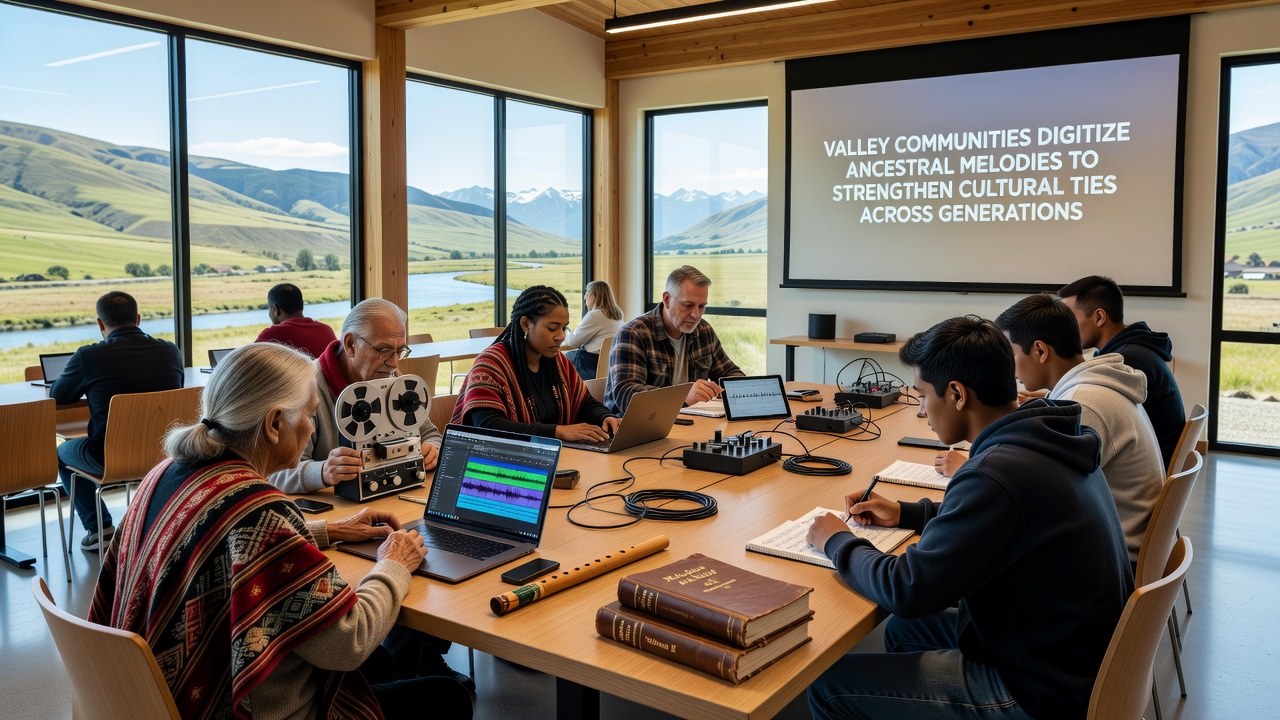
One village completed its initial catalog of 180 tracks last year, and the process required repeated sessions because performers often remembered additional verses only after hearing earlier recordings played back. Researchers at the University of Porto have documented comparable workflows in other Portuguese valleys, and their findings indicate that iterative review sessions raise retention rates among participants who later teach the material to students.
Intergenerational Transmission Methods
Schools in the area integrated the digital archive into music classes starting in 2024, and students now access the platform through tablets that display both the original performance and simplified sheet music adapted for modern instruments. Grandparents visit classrooms during scheduled sessions, and they demonstrate breathing techniques or rhythmic patterns that the recordings alone cannot convey fully.
Community centers host monthly listening events where families gather to hear selections from different eras, and organizers track attendance figures that have risen steadily since the archive went online. Figures released by the Tavora Cultural Cooperative reveal that participation among residents aged 15 to 25 increased fourfold within the first twelve months of the platform's launch.
Events Scheduled for September 2026
Preparations continue for a September 2026 festival that will feature live performances drawn directly from the digitized collection, and organizers plan to stream the event globally so diaspora members can join remotely. The program includes workshops that teach participants how to add their own contributions to the archive, thereby expanding the database with contemporary interpretations that still honor original structures.
Similar festivals in other regions have demonstrated sustained engagement when digital tools remain available afterward, and planners here intend to release updated versions of the platform immediately following the event. Government cultural agencies in Portugal and comparable bodies in Canada have supported parallel initiatives, which shows the approach travels across different geographic and linguistic settings.
Conclusion
The combination of careful recording, metadata organization, and educational integration has allowed valley communities to maintain continuity with ancestral melodies while adapting delivery methods for new audiences. Ongoing work through 2026 and beyond will determine how effectively these digital resources continue to bridge age groups and preserve the musical heritage that defines the region.