Yves Werner · 8 October 2026
Tavora Beekeepers Blend Traditional Hives with Sensor Technology to Monitor Pollination Cycles
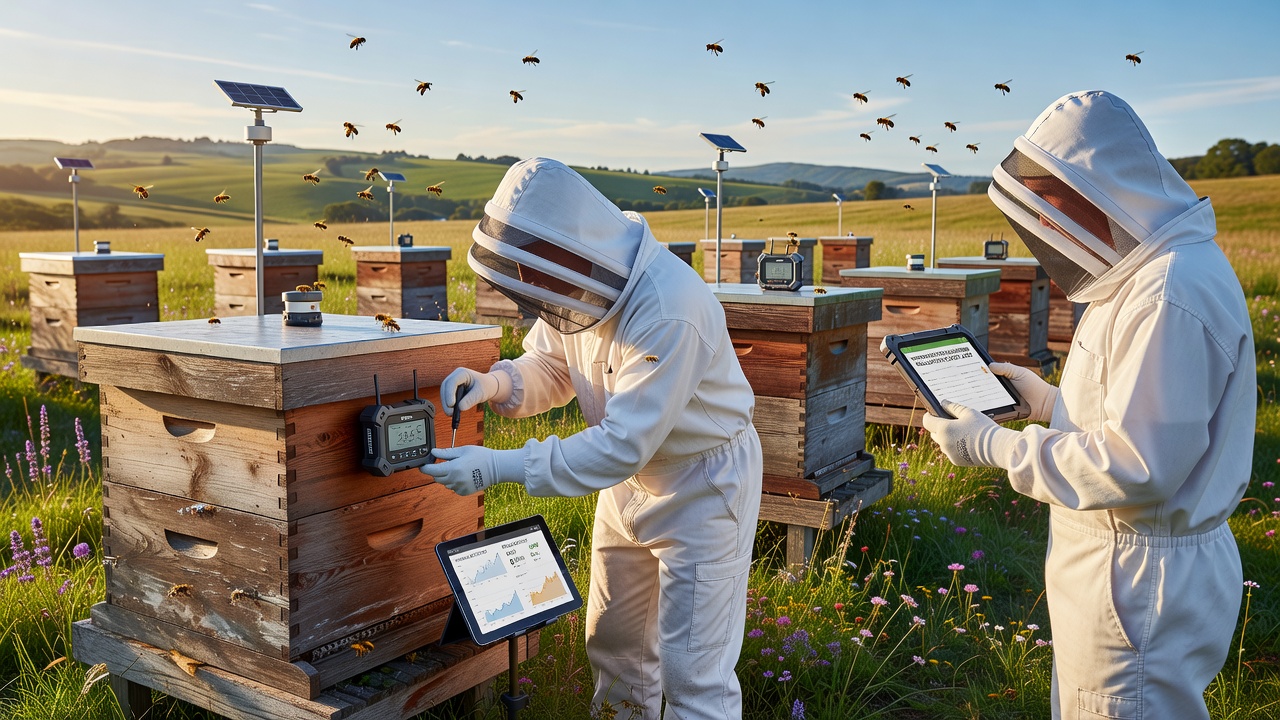
Beekeepers across the Tavora region have begun fitting sensor arrays into longstanding wooden hives that have shaped local apiculture for generations, and these devices record temperature, humidity along with bee activity levels while transmitting data to central monitoring stations. The approach combines centuries-old hive designs with wireless nodes that detect subtle variations in hive interiors, and observers note that such integrations help track how shifting weather patterns influence the timing of flower blooms that bees rely upon for pollination duties.
Traditional Hive Structures Meet Digital Monitoring
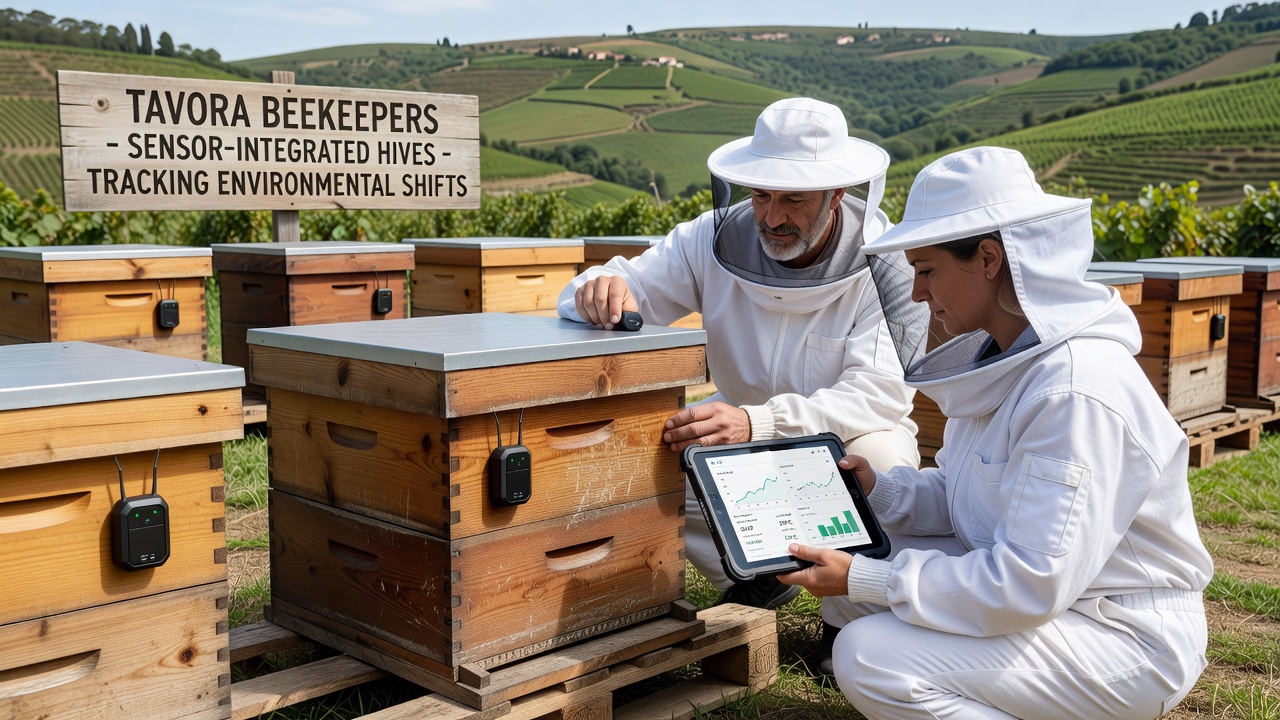
Local hives in Tavora typically consist of stacked wooden boxes that allow natural ventilation and colony expansion, yet these structures now incorporate small probes placed near brood chambers and honey stores, and the sensors capture continuous readings that reveal daily fluctuations without disturbing the bees during routine inspections. Data streams from these units feed into software platforms that map correlations between internal conditions and external climate variables, while researchers at regional agricultural centers analyze the outputs to identify early signs of stress that could shorten active foraging periods. In practice, one installation might log a sudden drop in humidity during unseasonal dry spells, and this information alerts keepers to adjust hive placements before colonies reduce their pollination efforts on nearby crops.
Environmental Shifts and Their Recorded Impacts
Climate records from the Tavora valley show rising average temperatures and altered rainfall distributions over recent decades, and these changes have prompted beekeepers to document corresponding adjustments in pollination cycles through the new sensor networks. For instance, earlier spring warm spells can advance flowering of key nectar sources by several weeks, yet sensor data indicates that hive temperatures sometimes lag behind these outdoor shifts and leave colonies less synchronized with peak bloom times. Studies compiled by the European Environment Agency highlight similar patterns across southern European agricultural zones, where temperature anomalies disrupt the overlap between bee emergence and plant flowering, and Tavora operators use their logged datasets to compare local trends against these broader findings.
During October 2026, sensor readings from multiple Tavora sites captured extended periods of elevated nighttime temperatures that coincided with delayed autumn forage availability, and the resulting activity logs showed reduced hive traffic during what had historically been a secondary pollination window for late-season crops. Keepers reviewed these patterns alongside satellite vegetation indices, and the combined information helped them relocate select hives to higher-elevation meadows where residual blooms persisted longer than in the main valley floor.
Data Collection Practices and Regional Outcomes
Each sensor unit typically operates on low-power batteries that last through multiple seasons, and weekly downloads allow beekeepers to review graphs of colony weight gain alongside ambient humidity curves, while the system flags anomalies such as sudden temperature spikes that may signal disease risks or overcrowding. Agricultural extension services in the region have supplied training sessions on interpreting these outputs, and participants learn to correlate sensor alerts with field observations of nearby orchards and wildflower patches that depend on bee visits for fruit set. One documented case involved a cluster of hives where humidity sensors detected persistent moisture buildup after heavy rains, and keepers responded by improving drainage around the stands to prevent mold growth that could otherwise curtail foraging flights.
Figures compiled from participating operations reveal that hives equipped with monitoring recorded pollination service consistency rates approximately fifteen percent higher than unmonitored counterparts during variable spring conditions, and these measurements draw from direct counts of visited flowers in adjacent test plots. The Food and Agriculture Organization of the United Nations maintains global datasets on managed pollinators that include comparable sensor-assisted projects in Mediterranean climates, and Tavora results align with those reports in showing how microclimate tracking supports steadier contributions to crop yields.
Community Adoption and Ongoing Adjustments
Local cooperatives have organized shared data repositories where individual keepers upload anonymized readings, and this collective resource helps identify valley-wide trends that single operations might overlook, such as a progressive shift in peak activity hours during summer heatwaves. Technicians refine the sensor placements each season based on feedback from the logs, and adjustments include repositioning probes to better capture air circulation patterns inside the traditional box configurations. As more sites come online, the accumulated records provide a growing baseline against which future environmental changes can be measured without altering the core hive architecture that has sustained Tavora apiculture.
Conclusion
The integration of sensor technology into Tavora's traditional hives supplies detailed records of how environmental variables intersect with colony behavior and pollination timing, and these insights support decisions that maintain the effectiveness of longstanding practices amid changing conditions. Continued expansion of the monitoring network will add further layers of information on seasonal cycles, while the underlying hive designs remain intact and continue to serve both bees and the agricultural landscape they support.