Mia Jung · 10 September 2026
Funding for New River Crossing Prompts Examination of Development and Conservation Priorities
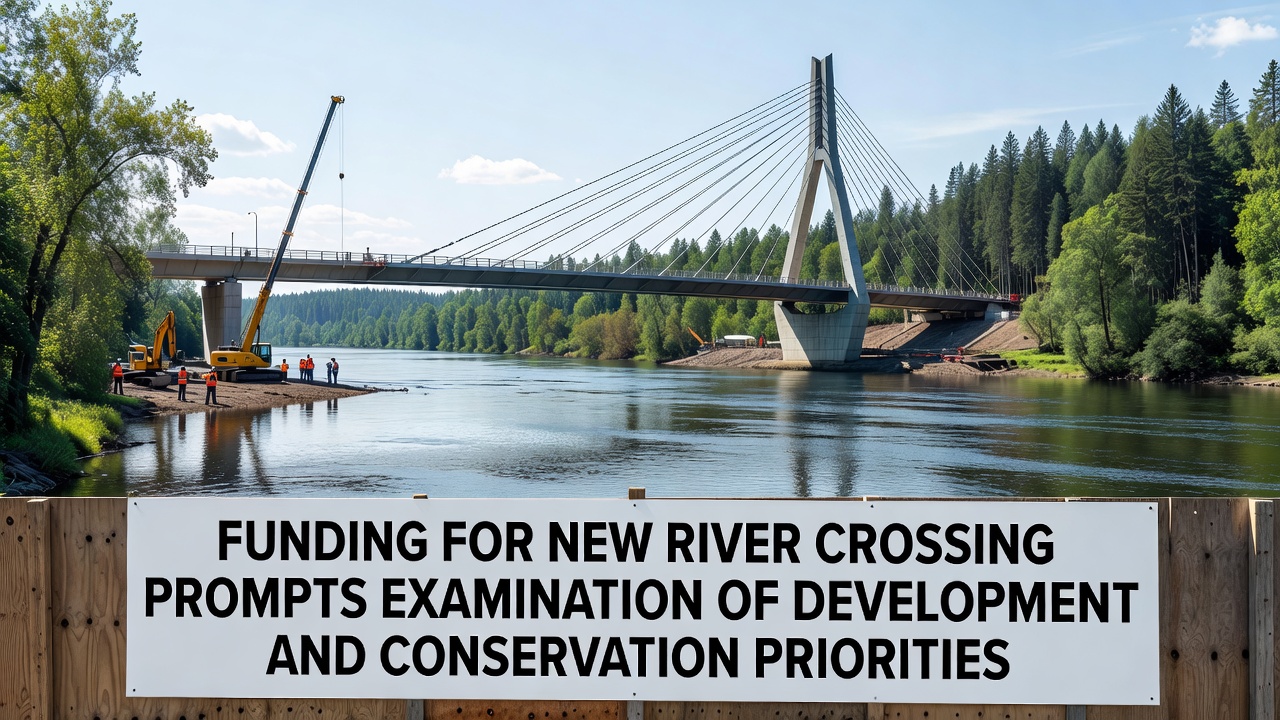
Funding approval for a new river crossing has directed attention toward balancing infrastructure growth with environmental safeguards in the Tavora region, and authorities released details on the project in September 2026. The allocation covers construction of a bridge structure designed to improve regional connectivity while local planning bodies review how the work aligns with broader land use strategies.
Project Background and Funding Details
The initiative stems from transportation assessments that identified gaps in crossing options across the Tavora waterway, and data from regional transport studies show increased traffic volumes that strain existing routes. European Union structural funds combined with national contributions total 45 million euros for the main span and approach roads, according to project documentation released by the Portuguese Infrastructure Ministry. Construction timelines project completion by 2030, with preliminary surveys already underway to map geological conditions and hydrological patterns.
Engineers have outlined a design that incorporates elevated sections to minimize floodplain disruption, and similar approaches appear in other European river projects where habitat connectivity remains a factor. The funding package also includes provisions for monitoring programs that track sediment flow and wildlife movement patterns before and after construction phases begin.
Development Priorities Under Review
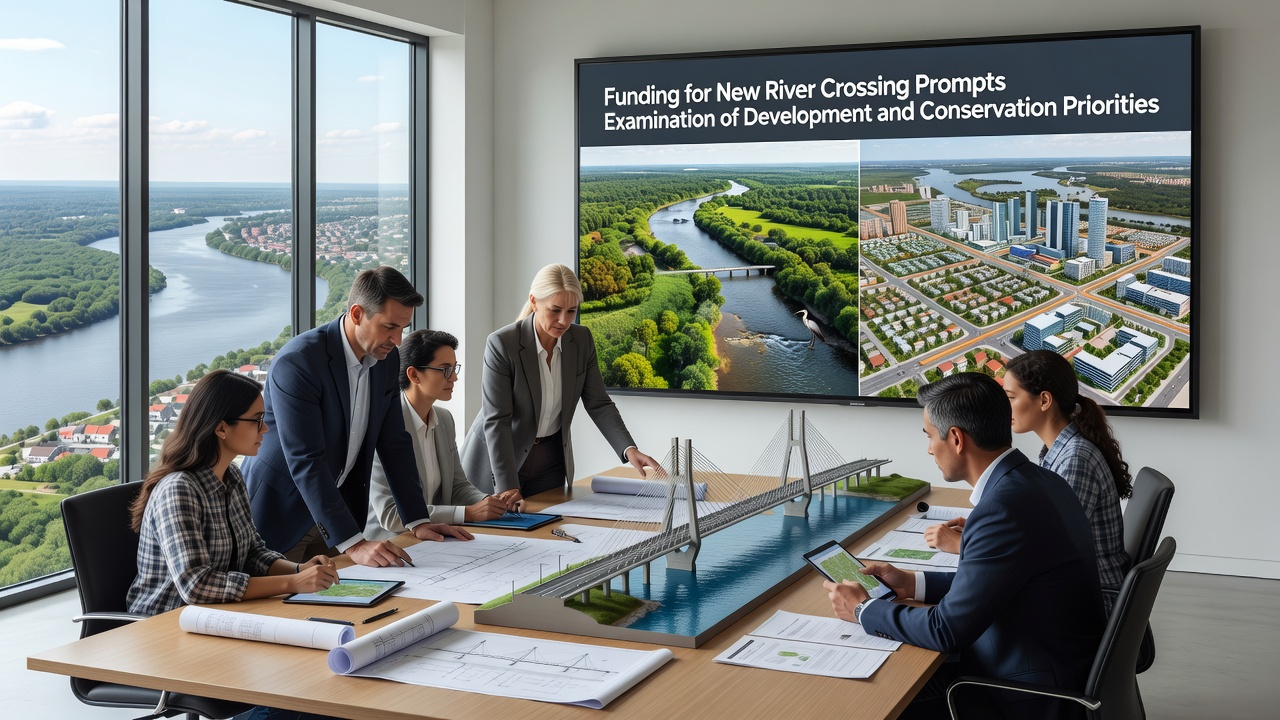
Local development plans emphasize economic expansion through improved access to agricultural zones and tourism sites, and figures from the Tavora regional economic board indicate that better connectivity could support a 12 percent rise in goods transport efficiency. Planners note that the crossing forms part of a larger corridor strategy aimed at linking inland communities with coastal ports, which aligns with national growth targets set through 2035.
Stakeholders from municipal governments have highlighted job creation estimates during the build phase, while post-construction benefits could include faster emergency response times across the river divide. These points emerge from public consultation records compiled in late 2025 and carried forward into the current review cycle.
Conservation Considerations and Data Inputs
Environmental assessments have flagged potential effects on riparian habitats that support protected species, and reports from the European Environment Agency document comparable river infrastructure cases where species migration corridors required mitigation measures. Researchers at the University of Porto have contributed baseline biodiversity inventories that catalog fish populations and bird nesting sites along proposed alignment routes.
Conservation groups reference guidelines from the Australian Department of Climate Change, Energy, the Environment and Water on waterway crossings, which stress the value of maintaining natural flow regimes and bank stability. These international references enter the local discussion as planners evaluate options such as wildlife underpasses and erosion control features integrated into the bridge design.
Water quality monitoring stations already positioned upstream and downstream will continue data collection, and initial readings establish nutrient levels and turbidity baselines that future operations can compare against. The review process incorporates these metrics to determine whether additional filtration systems or setback zones become necessary during earthworks.
Stakeholder Engagement and Timeline
Public meetings scheduled through October 2026 gather input from residents, farmers, and environmental organizations, and attendance records from earlier sessions show strong participation on both development benefits and habitat protection topics. Technical working groups meet monthly to integrate feedback into revised environmental impact statements that authorities expect to finalize by December.
Observers note that the September 2026 funding announcement accelerated the pace of these dialogues, prompting agencies to release interim maps and modeling results ahead of the original schedule. Coordination between the national roads authority and regional conservation offices continues as both entities refine joint protocols for construction oversight.
Conclusion
The funding decision for the Tavora river crossing has set in motion a structured examination of how infrastructure investments intersect with conservation objectives, and ongoing assessments will shape final design elements and mitigation requirements. Project documentation and monitoring frameworks provide the foundation for tracking outcomes across development and ecological indicators as work advances.